
To protect animals and our planet, we must first learn how to care for them.
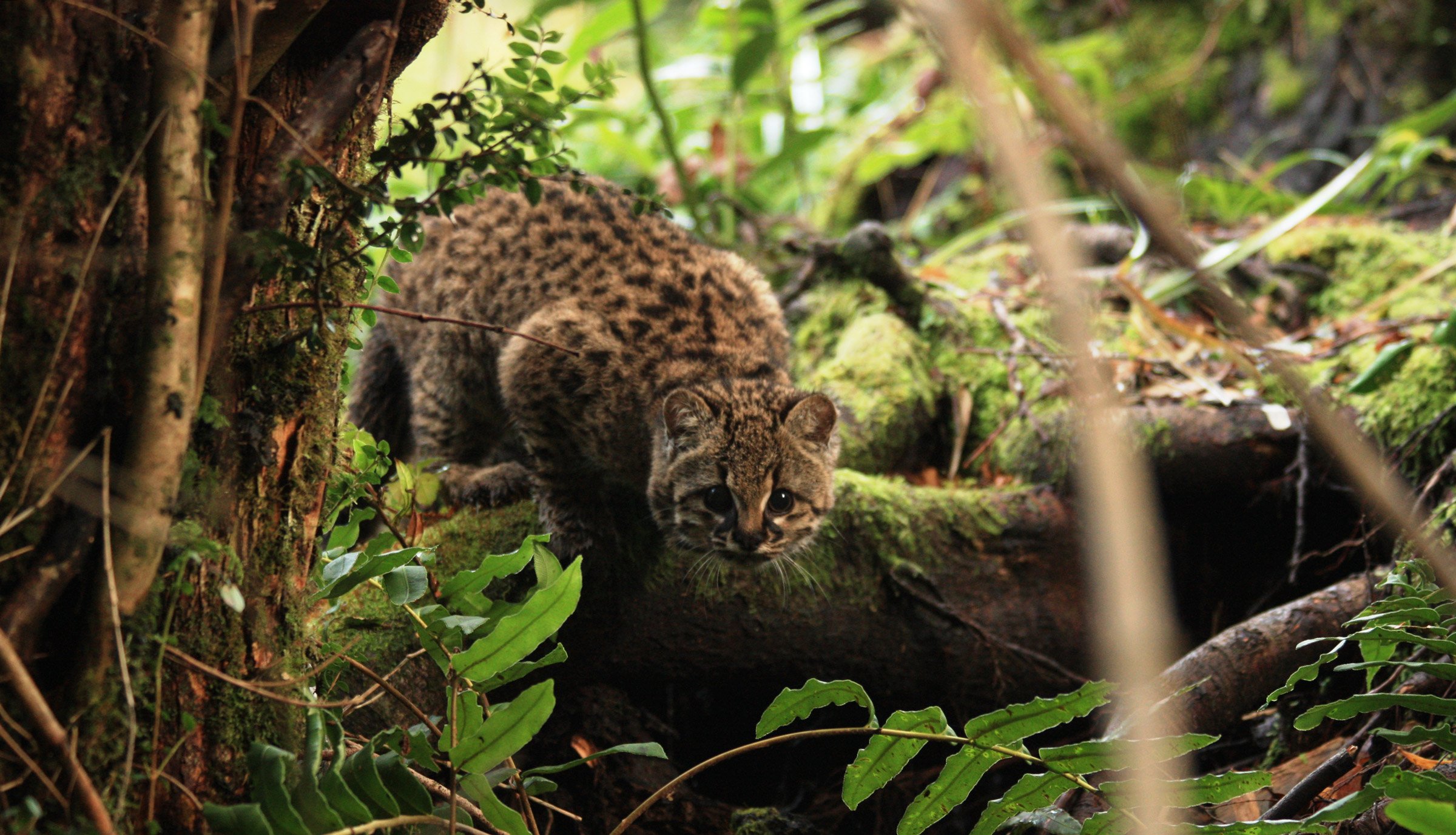
Photo Credit: Güiña - Fauna Australis, by Jerry Laker
What do we do?
The GAAP is dedicated to tackling health and welfare issues among free-roaming dogs and cats, along with the associated human, wildlife, livestock and environmental conflicts.
We take a holistic, integrated approach to tackling the root issues of the problems that are urgently threatening the health of animals, people, and our shared planet. We do this by:

Researching the problems & building international networks to share data.

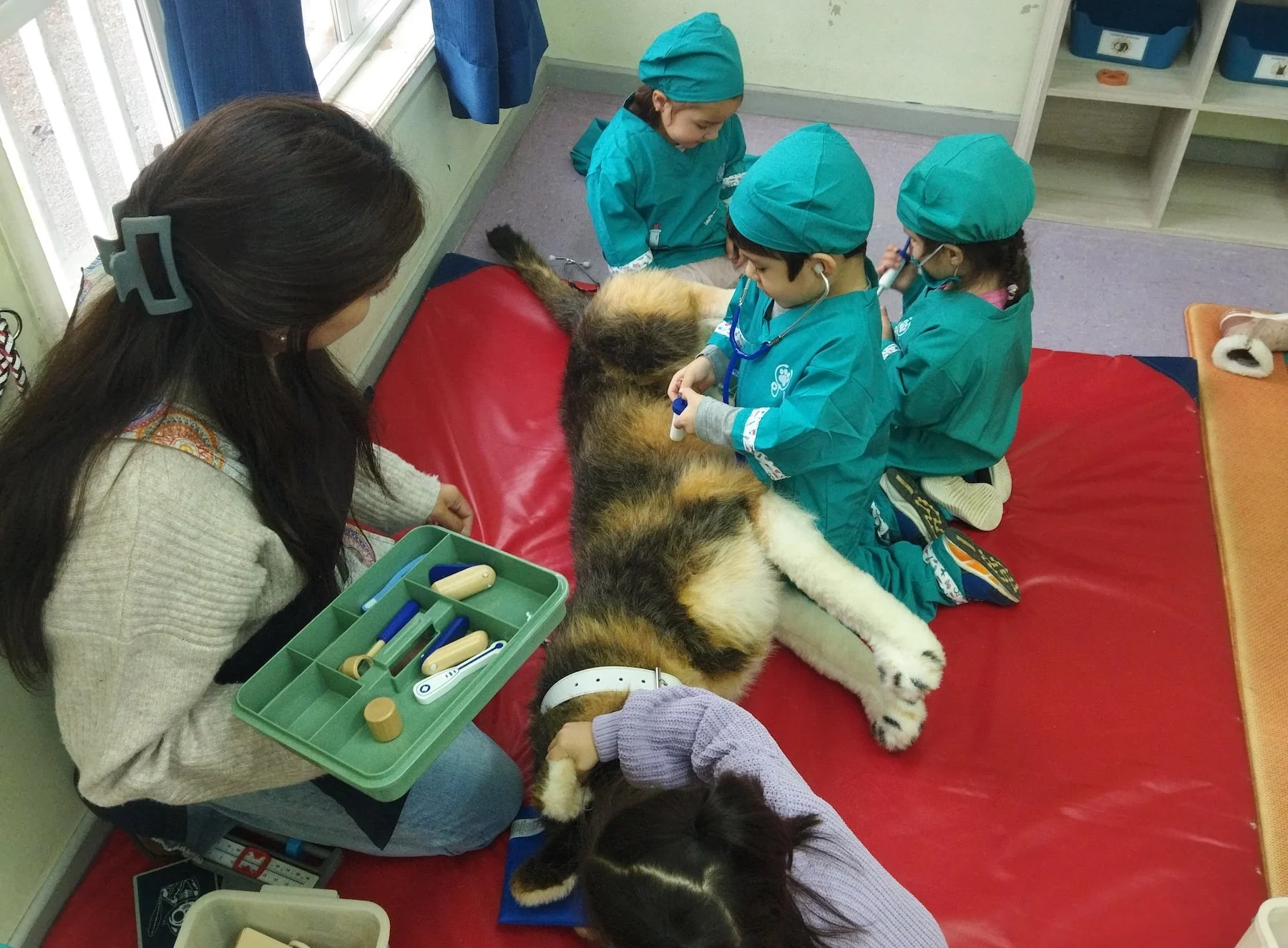
Teaching kids to responsibly care for animals and the environment through an innovative & engaging methodology.

Connecting people of all ages with nature and its precious creatures to give them a chance to ignite their own passion for saving them.

Increasing access to essential care for animals in vulnerable situations and underserved communities.

We are proud to take action to support the United Nation’s Sustainable Development Goals, which provide a shared blueprint for peace and prosperity for people and the planet, now and into the future.


Why do we do it?
We’re working to shift the way people think and behave because it’s the only long-term solution to mitigating the threats to animals, both wild and domestic, and the delicate ecosystems we are all part of.
The sad reality is that in much of Latin America, dogs and cats are left to roam freely without supervision, causing widespread issues for the companion animals themselves, as well as for people and wildlife, ultimately threatening the balance of globally significant ecosystems like the Valdivian Temperate Rainforest.

Cats kill between 1.3 to 4 BILLION birds per year. Free-roaming cats are likely to kill three times as many birds as those who are kept inside or near the home.

Dog attacks are one of the leading causes of injuries for pudus, the world’s smallest deer, whose population is decreasing significantly.

Free roaming dogs and cats are more likely to come into direct contact with wild animals, increasing the risk of predation and disease transmission.
And the dogs and cats themselves?

Cats and dogs that roam freely in the streets are much more likely to contract serious illnesses, suffer from malnutrition, or be hit by cars. Ultimately, they endure the pain and struggle created when humans fail to provide them with responsible care.

How can you be part of the solution?
With your support, we can share critical information and empower people with the resources they need to responsibly care for their pets and for the environment we all rely upon. Ultimately, this translates to:
Healthier dogs and cats
Cleaner, safer public spaces with reduced risk of contributing to the spread of dangerous diseases
Safeguarded wildlife that can once again flourish without added pressures caused by attacks from domestic animals or habitat destruction.
An increasingly balanced ecosystem that serves to strengthen the health and resilience of our planet and all the living beings who call it home.

We believe it’s all connected.
Animal health impacts human health and both are affected by (and in turn affect) the health of our planet. We can’t treat just one area if we really want a sustainable solution. That’s why we design our programs with an integrated approach considering the well-being of animals, people, and the environment.
Impact in Action

Over the past 15 years, thanks to committed supporters like you, we’ve generated a lasting change in animal welfare, connection to nature, and the ways we care for one another. And we’re not done yet!
Together we are building a healthier future.










We’re honored to partner with international, national, and regional organizations to build a web of support, while always collaborating with the community and tailoring our approach to respect the local culture.